 2YoungLives Completes Bursary Payment in all 12 Project Sites
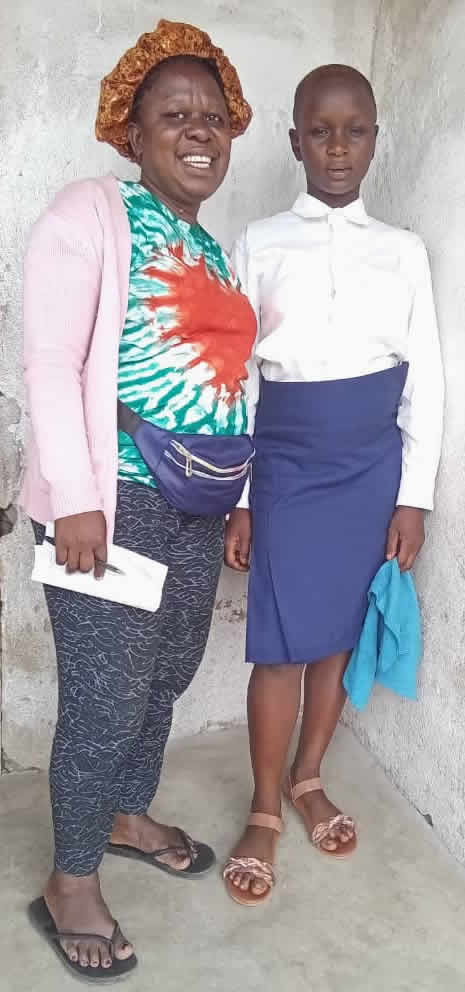
We are delighted to be able to announce that 2YoungLives has now completed bursary payments across all 12 project sites, enabling these young mothers to support themselves and their babies.
A total of 83 young mothers have now been readmitted and started schooling again, all of which affords renewed hope to these resilient adolescent girls who, together, have championed overcoming the effects of pregnancy in a society that so often rejects childbearing out of wedlock.
The support provided will enable the girls to continue their education, rebuild their confidence and pursue a brighter future for themselves and their children.
2YoungLives Honoured at 18th World Congress for Public Health
Evidence to Impact Award, Cape Town, South Africa
Late in the past month the 2YoungLives program was formally presented with its inaugural Lancet–Elsevier Foundation Evidence to Impact Award at this prestigious event convened in Cape Town, the award being received by Lucy November, who co-founded 2YoungLives with Mangenda Kamara, and Cristina Fernandez-Turienzo, the program’s academic lead.
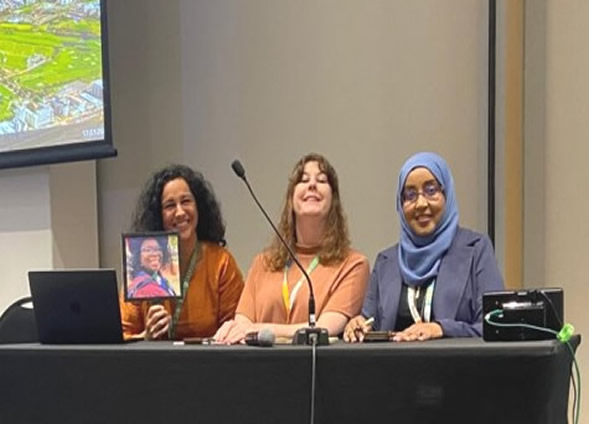
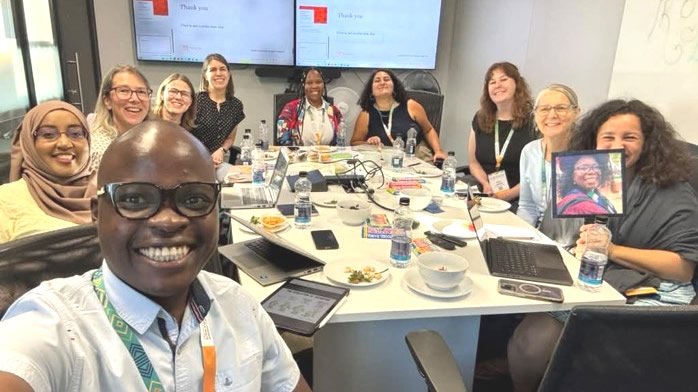
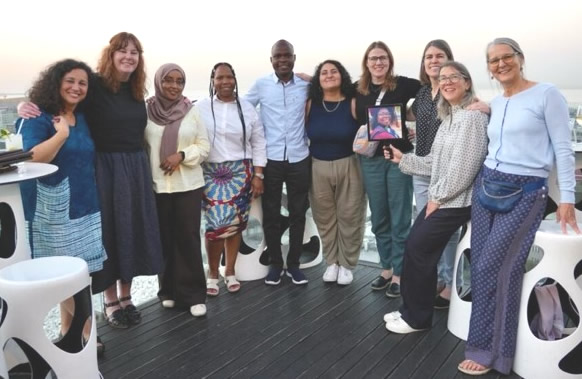
On that note, sadly, Mangenda herself, not only co-founder of but also the driving force behind the program in Sierra Leone, was unable to attend after her visa application was refused, nevertheless, Lucy and Cristina carried a framed photograph of Mangenda with them throughout the Congress, bringing it out at every opportunity – “It was a way of making a point,” Lucy says. “We were able to sail in there, and she wasn’t. That’s an inequity worth naming.”
One of only 3 programs selected, in this the award’s 1st first year, 2YoungLives was praised by the judges what set it’s winning work apart, that it wasn’t simply the evidence behind it but was that the teams involved had focused on how the interventions would actually work in the real world, that the story is not simply about intervention being delivered to girls, but was about building relationships with communities, understanding local barriers, adapting to context, working with existing structures and learning from everyone involved.
In recognition of this Lucy commented that “Lots of things have evidence, but when you try to put them into the real world, they don’t always work”, but this award was related to understanding and measuring the feasibility and acceptability of the intervention in practice, adding that the program, initially set up to support vulnerable teenagers, also “helped to create networks of empowered women, strengthen relationships between communities and health services, support education and livelihoods and contribute to changes in community attitudes and local bylaws”.
Professor Jane Sandall, Senior Research Lead, also commented that “The study followed best practices in the design and implementation of complex interventions. This is an example of how the development and implementation of the program by Lifeline Nehemiah Projects, partnered with rigorous implementation science research, can address a persistent public health problem and provide learning for future programs and research”.
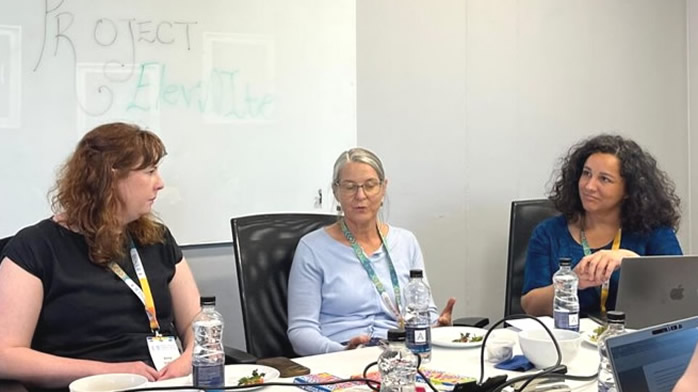
Despite the disappointment of Mangenda’s absence, the Congress offered a rare chance to connect with the other two award-winning teams and hear directly about their work, the group also spending time in discussions with Zoe Mullan, editor-in-chief from The Lancet Global Health, and colleagues from Lancet Africa and a sister surgical journal, exploring how implementation science might become a more prominent criterion in what they choose to publish in the future.
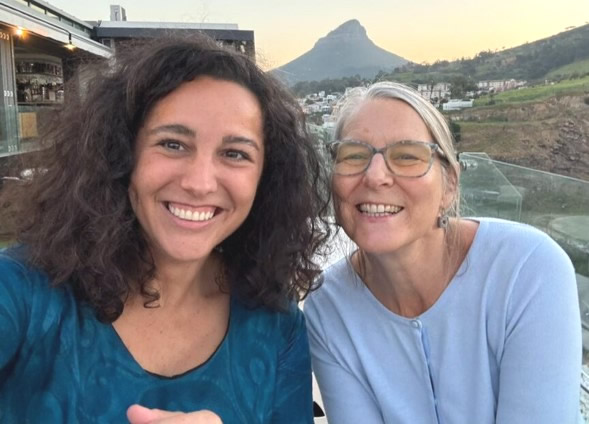
Here’s a selection of photos taken at different points during the time of the Congress…